
Available at participating Lincoln Black Label EV-certified dealers only.
CHOOSE YOUR PLUG-IN HYBRID LINCOLN
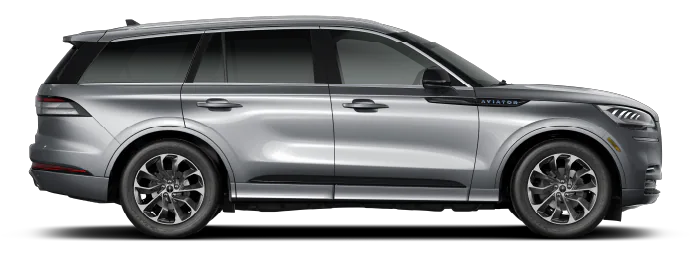
LINCOLN AVIATOR® GRAND TOURING SUV
Take flight with the powerful 2022 Lincoln Aviator Grand Touring plug-in hybrid2, a three-row SUV featuring a electric motor paired with a twin-turbocharged engine capable of producing 494 horsepower3 and 630 lb.-ft. of torque.3
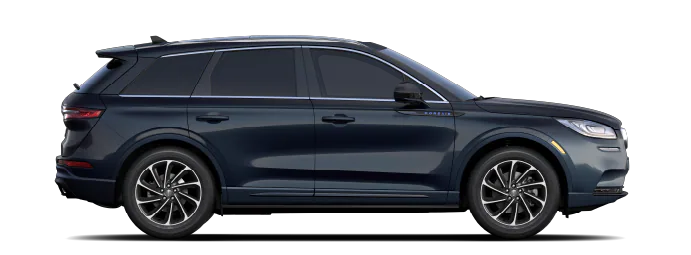
LINCOLN CORSAIR® GRAND TOURING SUV
Nimble, versatile and a joy to drive. The 2022 Lincoln Corsair Grand Touring plug-in hybrid2 is a premium compact SUV offering a whisper-quiet cabin. Featuring a paired electric and gas powertrain. Additionally, the Corsair Grand Touring with Intelligent all-wheel drive offers effortless acceleration and performance.
2Available at Lincoln EV-certified retailers only.
3Calculated via combined performance of the engine and electric motor(s) with peak battery power. The calculations utilize SAE J1349® engine results and Ford electric motor dyno testing. Your results may vary. Horsepower and torque ratings are independent attributes and may not be achieved simultaneously.
BENEFITS OF PLUG-IN HYBRID VEHICLES
HEIGHTENED POWER
Experience the combination of a twin-turbocharged 3.0L V6 gas engine with a chargeable electric powertrain from the Lincoln Aviator Grand Touring capable of producing 494 combined horsepower1 and 630 lb.-ft. of torque.1
1Calculated via combined performance of the engine and electric motor(s) with peak battery power. The calculations utilize SAE J1349® engine results and Ford electric motor dyno testing. Your results may vary.
CONVENIENT CHARGING
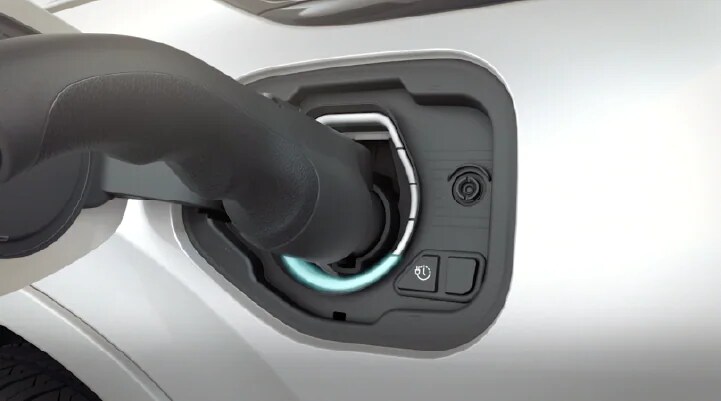
CHARGING AT HOME
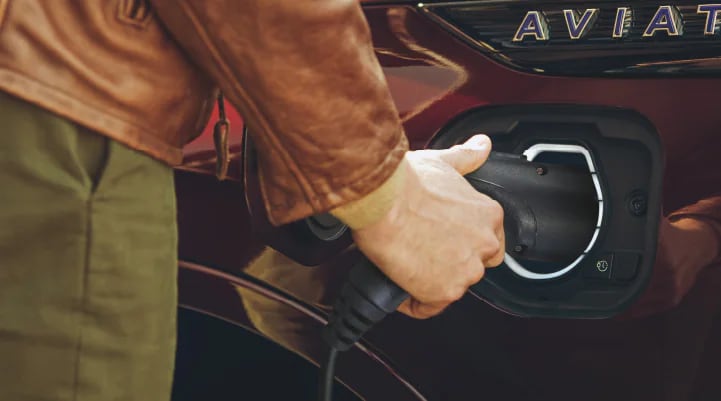
Lincoln plug-in hybrid electric vehicles come with a Lincoln Mobile Power Cord capable of providing a full charge at up to 240V in less than four hours.* An intuitive light ring on the charge port shows you the charge status at a glance. Don't have a dedicated 240V outlet at home? Contact a professional licensed electrician to begin charging faster and cut your charging time by more than half.
CHARGING STATIONS
In addition to charging at home, your electric battery can be charged at thousands of public charging stations across the U.S. Plus, you're backed by a gas engine that keeps you moving when plug-in charging isn't an option. Indulge in peace of mind. Lincoln plug-in hybrid electric vehicles are engineered to run on electric battery power, gasoline engine power or a balanced combination of both.
*Charge time based on manufacturer tests. The charging rate decreases as battery reaches full capacity. Your results may vary based on peak charging times, battery state of charge, lithium-ion battery age and state of health.
FIND A CHARGING STATION NEAR YOU
The network of North American charging stations is robust and growing every day. You can find the nearest station using the Lincoln® app.* When using the app, be sure to apply the filter to find locations that offer alternating current (AC) charging. Currently, Lincoln plug-in hybrid vehicles cannot accept a direct current (DC) charge.
*Lincoln® app, compatible with select smartphone platforms, is available via a download. Message and data rates may apply.


App Store is a service mark of Apple Inc.
Google Play is a trademark of Google LLC.

FAQs
These plug-in hybrid electric (PHEV) models combine the power of a gas engine with advanced battery-powered technology to deliver an effortless, exhilarating drive.
Yes, depending on where you live, your personal tax situation and vehicle configuration, you may qualify for federal, state and city tax incentives for driving an all-electric vehicle.*
*Please consult with your own tax or legal professional to determine your individual eligibility. Tax credit amount is based on vehicle-specific component sourcing and assembly and may be subject to change. You may not claim the credit if (1) your adjusted gross income exceeds certain thresholds or (2) the MSRP of the vehicle, as configured, exceeds $80,000 (including all optional equipment attached to the vehicle at the time of delivery to the dealer, but excluding destination charges, optional items added by the dealer, taxes and fees). The federal tax credit is a potential future tax savings. The amount of your tax savings will depend on your individual tax circumstances. Incentives and additional rebates are not within Lincoln’s control. This information does not constitute tax or legal advice. For additional information, go to afdc.energy.gov.
Many states do offer incentives for the purchase or lease of a plug-in hybrid electric vehicle. Visit afdc.energy.gov/laws/recent for more information.
Yes, many states and local municipalities offer special access and/or reduced tolls for plug-in hybrid electric vehicles. Visit afdc.energy.gov for state-by-state information.
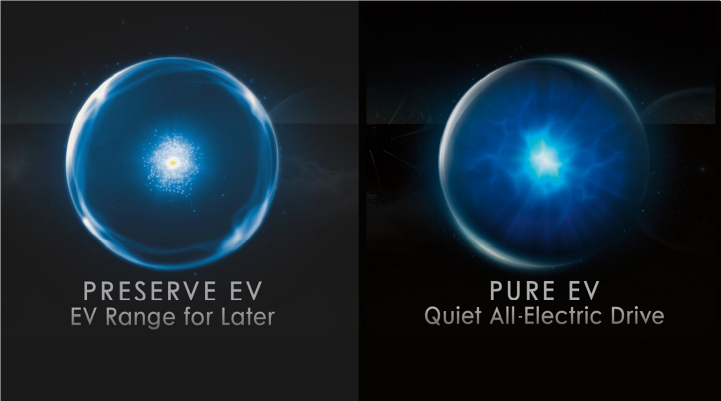
Lincoln plug-in hybrid electric vehicles offer the best of both worlds, combining gas and electric to offer powerful performance. Preserve EV mode allows you to power your vehicle using gas while actively recharging your battery, and Pure EV mode allows you to drive using only electricity, seamlessly engaging your hybrid gas engine should your power demands exceed electric capability.
You can charge at home using a dedicated 120V or 240V electric outlet or at thousands of charging stations in the U.S. When locating a charging location, be sure to identify those that offer alternating current (AC) charging. Currently, Lincoln plug-in hybrid models cannot accept a direct current (DC) charge. Have to leave in a hurry? The combination of gas and electric systems means your Lincoln plug-in hybrid electric vehicle is always road-ready.
Our standard mobile power cord lets you charge overnight (10–11 hours) using your home’s standard 120V electrical outlets, or you can upgrade your outlets to 240V and recharge in less (3–4 hours).**
**Charge time based on manufacturer tests. The charging rate decreases as battery reaches full capacity. Your results may vary based on peak charging times, battery state of charge, lithium-ion battery age and state of health.
Lincoln plug-in hybrid electric vehicles offer all the advantages of a gas-powered engine with added perks, including potentially fewer trips to the fuel pump, smooth, quiet acceleration and additional drive modes. The purchase of a PHEV may also qualify you to receive additional benefits, including potential federal income tax credits and access to some high-occupancy vehicle lanes.
Both hybrid electric and plug-in hybrid electric vehicles automatically charge while driving (using kinetic energy generated through braking), but only PHEVs can be driven on electric energy alone.